Varicose Veins: What Causes Them and What to Watch For
Written by Dr. Jonathan Reeves · Medically reviewed by Dr. Amelia Hartmann

Varicose veins are enlarged, twisted veins that appear most often on the legs and feet. They develop when the small valves inside the veins weaken or stop working properly, allowing blood to pool rather than flow efficiently back to the heart. Understanding their causes and early warning signs is the first step toward building a consistent leg-care routine.
What Are Varicose Veins?
Veins carry blood from the body back to the heart, working against gravity whenever you stand or sit. To prevent back-flow, each vein contains a series of one-way valves that open to let blood through and close to stop it from sliding back down. When those valves weaken or become damaged, blood pools in the vein, causing it to stretch and bulge beneath the skin surface.
The result is the characteristic blue, purple, or dark-red cord-like lines most people recognize as varicose veins. Spider veins — the fine, web-like red or purple threads that appear closer to the surface — are a milder variation of the same underlying process. The table below outlines the key differences between the two.
Spider Veins vs. Varicose Veins at a Glance
| Feature | Spider Veins | Varicose Veins |
|---|---|---|
| Appearance | Fine, web-like threads; red, blue, or purple | Bulging, twisted cords; blue or dark purple |
| Location | Very close to skin surface | Just beneath skin surface, often raised |
| Size | Less than 1 mm wide | 3 mm or wider |
| Common sites | Face, thighs, ankles | Back of calves, inside of legs |
| Physical symptoms | Usually none; occasional mild itching | Aching, heaviness, swelling, cramping |
| Skin care relevance | Dry or sensitive skin over the area | Itching, discoloration, skin thinning |

Why Varicose Veins Form: Risk Factors
No single factor causes varicose veins; instead, a combination of circumstances gradually places extra strain on vein walls and valves. The most frequently cited risk factors include:
- Age. Vein walls and valves naturally lose elasticity over time. The condition becomes more noticeable in people over 40, though it can appear at any age.
- Genetics. If a parent or grandparent had varicose veins, your own risk is notably higher — research consistently identifies a strong hereditary component.
- Prolonged standing or sitting. Jobs that require staying on your feet for long hours (retail, healthcare, hospitality) or sitting at a desk without movement put sustained pressure on leg veins.
- Pregnancy. Increased blood volume and hormonal changes during pregnancy place extra load on leg veins. Many people notice varicose veins for the first time during or shortly after pregnancy.
- Body weight. Carrying extra weight adds pressure on the venous system, particularly in the lower limbs.
- Sex. People assigned female at birth are somewhat more likely to develop varicose veins, partly due to hormonal influences on vein-wall elasticity.
Understanding your personal risk factors won't reverse existing vein changes, but it can motivate targeted lifestyle habits — regular movement, leg elevation, and consistent skin care — that support your legs day to day. Learn more in our guide on natural ways to support leg wellness.
Common Symptoms to Recognize
Varicose veins aren't always painful, and for some people the concern is primarily cosmetic. For others, the same veins cause a range of physical sensations that worsen as the day goes on. Common symptoms include:
- Aching or heaviness in the legs — a persistent dull pressure, especially after standing for extended periods.
- Burning or throbbing — a warm, pulsing sensation along the affected vein.
- Muscle cramping — particularly in the calves, often worse at night.
- Swelling around the ankles and feet — fluid can build up when circulation is sluggish.
- Itching — the skin directly over a varicose vein sometimes becomes dry and irritated.
- Visible skin changes — over time, the skin around persistent varicose veins can become discolored or feel thicker than usual.
Symptoms typically improve when you lie down, elevate the legs, or walk around — all of which encourage blood to flow back toward the heart. If you notice sudden swelling, redness, or warmth in a specific area, it's worth speaking with a healthcare professional.
Everyday Skin Care for the Affected Area
While lifestyle changes and medical consultations address the circulatory side of varicose veins, the skin over the affected area also benefits from regular care. The skin can become dry, sensitive, and prone to itching near dilated veins, so gentle moisturization matters.
Topical creams formulated with botanical ingredients — such as Italian horse chestnut extract, chamomile, and panthenol — are widely used as part of a daily leg-care ritual. They won't alter the veins themselves, but they can soothe the feeling of tired, heavy legs and support the overall look and texture of the skin in that area. For a full breakdown of what to look for in a topical product, see our guide on how to choose a varicose vein cream.
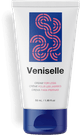
A consistent routine — morning and evening application, gentle massage from ankle to knee — helps make any topical care more effective and gives you a structured way to monitor how your legs are feeling from day to day. Veniselle leg cream is designed to fit into exactly this kind of routine.
Give Your Legs the Care They Deserve
Veniselle is a topical leg cream formulated with botanical extracts — horse chestnut, chamomile, menthol, and more — to soothe tired, heavy legs and support the look of skin over varicose and spider veins. Try it as part of your daily leg-care routine.
Find Veniselle in Your Country →Editorial team

Frequently asked questions
Are varicose veins dangerous?
For most people, varicose veins are a cosmetic and comfort concern rather than a medical emergency. However, in some cases they can be associated with chronic venous insufficiency or, rarely, blood clots. If you experience sudden pain, heat, or hard swelling in a vein, consult a healthcare professional promptly.
Can varicose veins appear at a young age?
Yes. Although the condition is more common after 40, younger adults can develop varicose veins — particularly if there's a family history, if they spend long hours on their feet, or during and after pregnancy. Athletes who put repeated strain on leg veins can also see early onset.
Do varicose veins always cause pain?
No. Many people have visible varicose veins with no pain at all. Others experience significant aching, heaviness, or cramping. The severity of visible changes doesn't always correlate with the severity of symptoms — some large varicose veins are pain-free while smaller ones cause discomfort.
Is it safe to massage legs with varicose veins?
Gentle massage — applied from the ankle upward toward the knee — is generally considered safe and may help support circulation and soothe tired legs. Avoid applying heavy pressure directly over visible, raised veins. If you have any concerns, check with your doctor before starting a massage routine.
Can topical creams help with varicose veins?
Topical cosmetic creams can soothe the skin over varicose veins, relieve the sensation of heaviness and tiredness, and support the look of the leg's surface. They are not medical treatments and won't change the structure of the veins themselves. They work best as part of a broader leg-care routine that includes movement, elevation, and hydration.
Related guides

How to Support Your Legs Naturally When You Have Varicose Veins
Read more →
Tired, Heavy Legs: Why They Happen and How to Find Relief
Read more →
How to Choose a Varicose Vein Cream: A Plain-Language Guide
Read more →